Vodnik Otm Access 2

New funding guide to more inclusive international mobility in culture

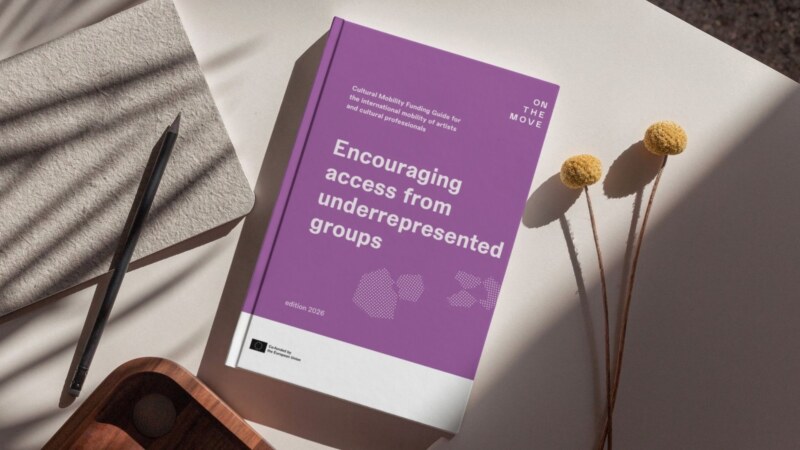
The On the Move network has published a new funding guide to making international mobility in culture more inclusive. The publication focuses on inclusion and gender equality in international work in culture and brings together opportunities, support measures and examples of good practice to improve access for underrepresented groups.

The Cultural Mobility Funding Guide: Encouraging Access from Underrepresented Groups starts from the recognition that international mobility opportunities are not equally accessible to everyone. A programme may encourage applications from different groups while simultaneously excluding them through its conditions of participation – for example, if it does not provide childcare, offer support for disabled people or take greater travel distances into account when providing flat-rate travel contributions.

The research is based on a review of open calls published by On the Move between 2020 and 2026 and 30 cultural mobility funding guides. It examines opportunities for women, trans and gender-diverse practitioners, deaf and hard-of-hearing artists and artists with disabilities, members of Indigenous and minority communities, young people, people with caring responsibilities and at-risk and displaced artists.

The guide also presents various forms of additional support, including personal assistance, sign-language interpretation, childcare, carers, accessible travel or travel for accompanying family members. It includes programmes that are open to a wider range of applicants but give priority to underrepresented groups, as well as opportunities to fund work addressing social justice themes and programmes supporting audience access and community participation. The guide concludes with five detailed case studies of good practice.

The publication is intended for artists and culture professionals seeking appropriate support opportunities, as well as funders and mobility organisers. It offers practical examples of how programmes can be made more inclusive, how available support can be communicated clearly and how practical conditions of participation can be considered alongside eligibility criteria.

The guide was prepared by researcher Sophie Dowden and coordinated by Yohann Floch and Marie Le Sourd from On the Move. As programme availability and eligibility conditions may change, readers should check the latest information with the respective organisations.

The guide is available in English here.

Share

Our partners

Zdruzen Logo Slo2
Sl Co Fundedbytheeu Rgb Pos
Ministrstvo Za Kulturo1 380x58
Mnzju
Logo Mol 1
